

Real Life Relief: When to Get Help
As a Doctor of Physical Therapy, business owner, and teacher, I spend a lot of my time answering questions. One of the reasons I chose physical therapy over other roles in health care is simple: physical therapists traditionally have the time and knowledge to help people truly understand their own bodies. I’ve seen firsthand how powerful that knowledge can be—when people understand what’s going on, they feel more confident, less fearful, and better equipped to take charge of their own recovery. I strongly believe there should be no barriers between you and information about your body. That belief is what inspired this column. Real Life Relief is a place to ask questions, clear up common myths, and get practical, evidence-based advice you can use in your day-to-day life.
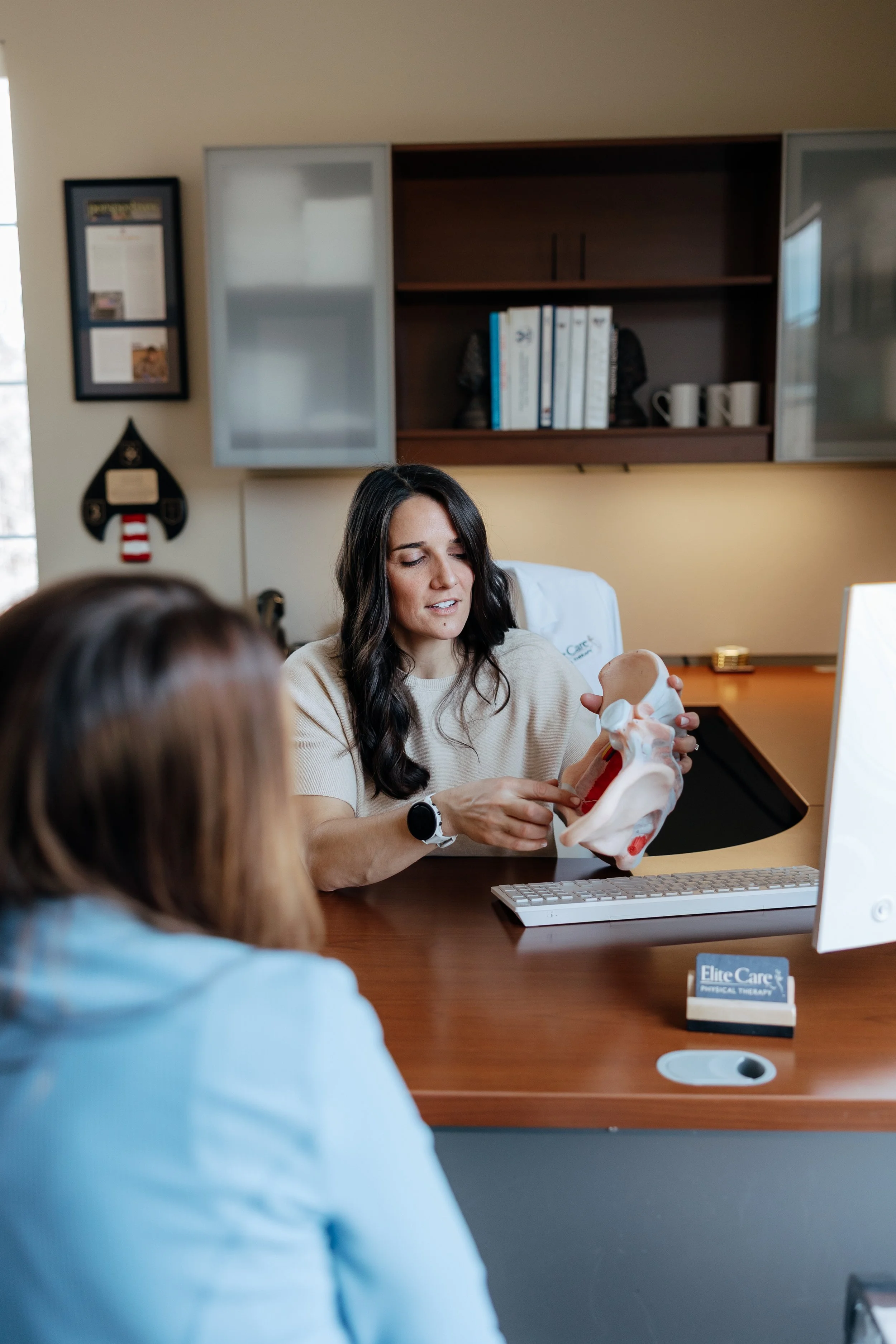
I specialize in human performance and am board certified in orthopedic and sports physical therapy, with advanced training in treating the male, female, and pediatric pelvic floor. My goal is simple: to help you move better, feel better, and live well – starting with answers to the questions you’ve always wanted to ask.
Almost everyone I meet asks some version of the same question: Should I push through this pain, or is it time to get help? We’ve all felt it—the small twinge that comes before an injury. You hope it goes away. You stretch, apply heat, and keep going. But at a certain point, pain can linger, change, or start to interfere with daily life.
There are some important red flags I always listen for, especially in people with low back or hip pain. These include numbness in the area that would sit on a bicycle or saddle, pain that consistently wakes you at night, noticeable weakness, changes in bowel or bladder control, or changes in the way you walk. Symptoms like these warrant further medical evaluation to make sure nothing more serious is going on.
On the other hand, if symptoms feel uncomfortable but improve when you move, don’t interfere with sleep, and respond to things like gentle activity, stretching, or heat, it may be reasonable to monitor them closely. Research in pain science consistently points to the same conclusion: movement matters. In the absence of red flags, a gradual return to activity is often one of the best tools we have for recovery.
When symptoms don’t improve on their own – or when pain starts limiting how you live, work, or enjoy your time—it’s a good idea to seek help. Physical therapists are trained at the doctoral level to evaluate movement, identify contributing factors, and help people return to the activities that matter most to them. You don’t have to wait until pain becomes overwhelming to get support.
If you’ve ever wondered whether to push through or pause and get help, you’re not alone—and you’re asking the right question. That’s exactly what this column is here for. Real Life Relief is originally published in the Windham Independent (my local newspaper), but will be posted to this blog as well. If you have questions you’d like answered, email me: samantha@eliteptcare.com! No question is too silly — if you’re curious, other people are too!
